
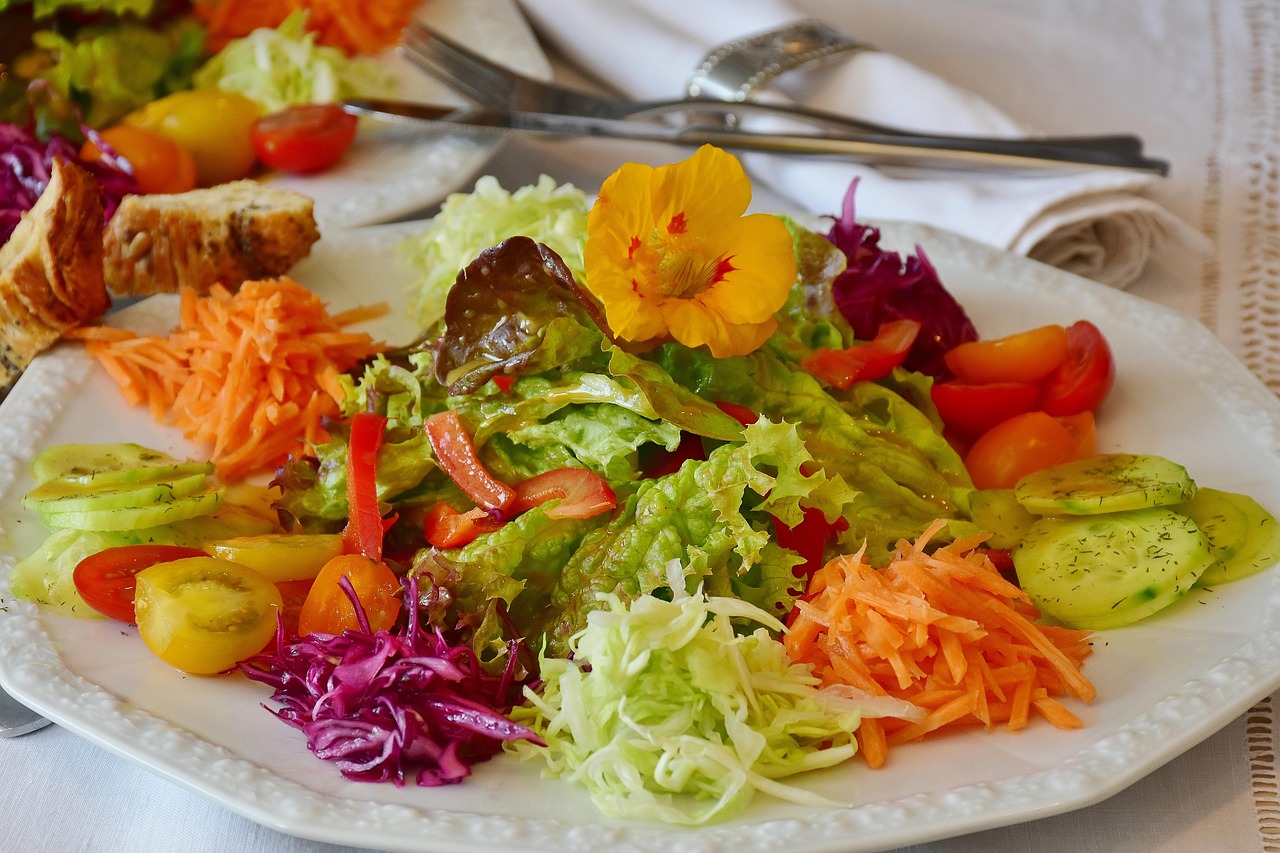
Navigating the world of healthy eating can feel overwhelming, especially when you’re trying to manage your calorie intake. But achieving your health goals doesn’t mean sacrificing flavor or spending hours in the kitchen. With the right strategies and recipes, you can enjoy delicious and satisfying low-calorie meals that nourish your body and keep you feeling great. This guide will explore some practical tips, meal ideas, and strategies for incorporating low-calorie meals into your daily life.
Understanding Low Calorie Eating
What Does “Low Calorie” Really Mean?
- Defining “low calorie” is subjective and depends on individual factors like age, sex, activity level, and weight goals.
- Generally, a low-calorie diet for weight loss typically ranges from 1200-1500 calories per day for women and 1500-1800 calories per day for men.
- A registered dietitian or nutritionist can help you determine the right calorie range for your specific needs.
Benefits of Incorporating Low Calorie Meals
- Weight Management: The most obvious benefit is weight loss or maintenance by creating a calorie deficit.
- Improved Energy Levels: Focusing on nutrient-dense, low-calorie foods can provide sustained energy throughout the day.
- Reduced Risk of Chronic Diseases: Healthy low-calorie meals often prioritize whole foods, reducing the risk of heart disease, type 2 diabetes, and some cancers.
- Enhanced Digestion: Fiber-rich foods, which are often low in calories, promote healthy digestion.
- Increased Awareness of Portion Sizes: Low-calorie eating encourages mindful eating habits and portion control.
Misconceptions About Low Calorie Diets
- Starvation Mode: Eating too few calories can slow your metabolism, but a moderate calorie deficit, combined with exercise, is sustainable and healthy.
- Lack of Nutrients: Low-calorie doesn’t mean low-nutrient. Focus on nutrient-dense foods to ensure you’re meeting your vitamin and mineral needs.
- Constant Hunger: Strategically chosen, high-fiber, and protein-rich foods can keep you feeling full and satisfied on fewer calories.
- Taste Bud Sacrifice: Many delicious and flavorful meals can be made with low-calorie ingredients and cooking techniques.
Strategies for Creating Low Calorie Meals
Prioritize Protein
- Protein is incredibly satiating, meaning it helps you feel fuller for longer, reducing overall calorie intake.
- Lean protein sources include chicken breast, turkey, fish (especially white fish and salmon), tofu, beans, lentils, and Greek yogurt.
- Example: A grilled chicken salad with mixed greens, vegetables, and a light vinaigrette dressing is a protein-packed, low-calorie lunch.
- Incorporate protein into every meal and snack.
Load Up on Vegetables
- Vegetables are naturally low in calories and high in fiber, vitamins, and minerals.
- They add bulk to your meals, helping you feel satisfied without significantly increasing calorie count.
- Non-starchy vegetables like broccoli, spinach, zucchini, bell peppers, and cucumbers are excellent choices.
- Example: Add a side of steamed broccoli to your dinner or blend spinach into your morning smoothie.
Choose Whole Grains
- Opt for whole grains like brown rice, quinoa, oats, and whole-wheat bread over refined grains.
- Whole grains are higher in fiber and nutrients, promoting satiety and providing sustained energy.
- Example: Substitute white rice with quinoa in your stir-fries or use whole-wheat tortillas for your tacos.
- Be mindful of portion sizes, as grains can still be calorie-dense.
Healthy Fats in Moderation
- Healthy fats, such as those found in avocados, nuts, seeds, and olive oil, are essential for overall health.
- They also contribute to satiety and can enhance the flavor of your meals.
- However, fats are calorie-dense, so it’s crucial to consume them in moderation.
- Example: Add a small handful of almonds to your afternoon snack or drizzle a teaspoon of olive oil over your salad.
Smart Cooking Techniques
- Baking, Grilling, and Steaming: These methods require minimal added fats compared to frying.
- Use Low-Calorie Cooking Sprays: Instead of pouring oil into the pan, use cooking spray to prevent sticking.
- Flavor with Herbs and Spices: Enhance the flavor of your meals with herbs, spices, and citrus juice instead of high-calorie sauces and dressings.
- Utilize Broths and Stocks: Create flavorful soups and stews using low-sodium vegetable or chicken broth.
Sample Low Calorie Meal Ideas
Breakfast (300-400 Calories)
- Oatmeal with Berries and Nuts: 1/2 cup rolled oats cooked with water or unsweetened almond milk, topped with 1/2 cup berries and 1 tablespoon of chopped nuts.
- Greek Yogurt Parfait: 1 cup nonfat Greek yogurt layered with 1/4 cup granola and 1/2 cup mixed berries.
- Egg White Omelet with Vegetables: 3 egg whites scrambled with 1/2 cup chopped vegetables (e.g., spinach, mushrooms, bell peppers).
- Smoothie: Blend 1 cup spinach, 1/2 cup berries, 1/2 banana, 1 scoop protein powder, and unsweetened almond milk.
Lunch (400-500 Calories)
- Salad with Grilled Chicken or Tofu: Mixed greens topped with 4 oz grilled chicken breast or tofu, 1/2 cup chopped vegetables, and a light vinaigrette dressing.
- Lentil Soup: 1.5 cups of lentil soup with a side salad.
- Turkey Lettuce Wraps: Ground turkey cooked with onions, peppers, and spices, served in lettuce cups with a dollop of plain Greek yogurt.
- Leftovers! Repurposing dinner into lunch is a great way to control calorie intake and minimize food waste.
Dinner (500-600 Calories)
- Baked Salmon with Roasted Vegetables: 4 oz baked salmon with 1 cup roasted vegetables (e.g., broccoli, sweet potatoes, Brussels sprouts).
- Chicken Stir-Fry with Brown Rice: Stir-fry chicken with mixed vegetables and a light soy sauce, served over 1/2 cup brown rice.
- Turkey Chili: A hearty bowl of turkey chili, loaded with beans and vegetables.
- Zucchini Noodles with Marinara Sauce and Turkey Meatballs: Spiralized zucchini noodles topped with homemade marinara sauce and lean turkey meatballs.
Snacks (100-200 Calories)
- Apple Slices with Almond Butter: 1 medium apple sliced with 1 tablespoon almond butter.
- Hard-Boiled Egg: A protein-rich snack that keeps you feeling full.
- Greek Yogurt with Berries: 1/2 cup nonfat Greek yogurt with 1/4 cup berries.
- Vegetables with Hummus: Carrot sticks, celery sticks, or cucumber slices with 2 tablespoons hummus.
Tips for Staying on Track
Plan Your Meals
- Meal planning is crucial for sticking to a low-calorie diet. It helps you avoid impulsive, high-calorie choices.
- Plan your meals for the week and create a grocery list based on your meal plan.
Track Your Calories
- Using a calorie tracking app or journal can help you stay accountable and monitor your progress.
- Be honest and accurate when tracking your calorie intake.
Stay Hydrated
- Drinking plenty of water can help you feel fuller and prevent overeating.
- Aim for at least 8 glasses of water per day.
Don’t Deprive Yourself
- Allow yourself occasional treats in moderation. Completely restricting certain foods can lead to cravings and binge eating.
- Incorporate healthy versions of your favorite foods into your meal plan.
Be Patient and Consistent
- Weight loss and improved health take time and effort. Be patient with yourself and stay consistent with your low-calorie eating habits.
- Celebrate your successes along the way and don’t get discouraged by occasional setbacks.
Conclusion
Incorporating low-calorie meals into your diet is a sustainable and effective way to manage your weight, improve your health, and feel your best. By focusing on nutrient-dense foods, smart cooking techniques, and mindful eating habits, you can create delicious and satisfying meals that support your health goals. Remember to prioritize protein, load up on vegetables, choose whole grains, and enjoy healthy fats in moderation. With proper planning, tracking, and consistency, you can achieve long-term success with low-calorie eating.