
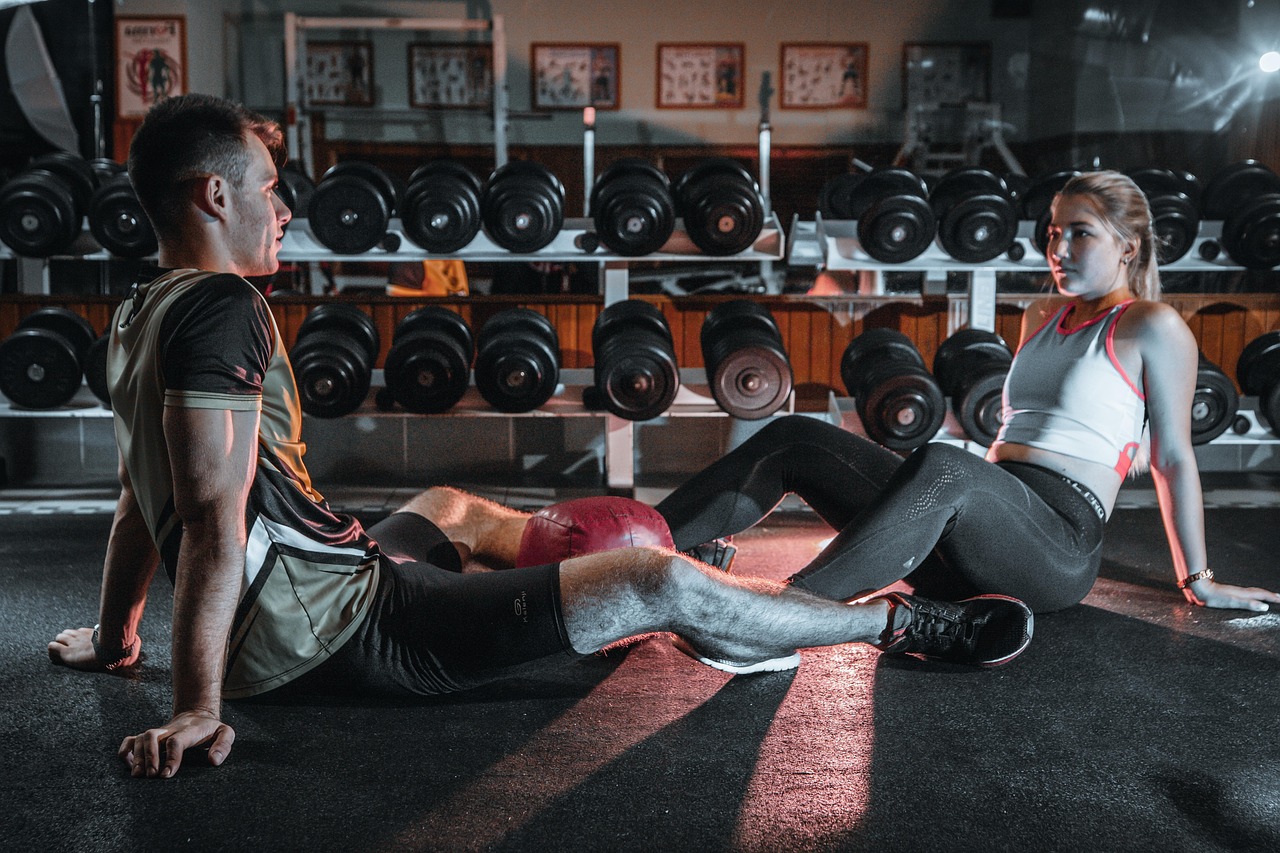
Weekends – those glorious oases in the desert of the workweek! But how often do we truly leverage them to recharge, rejuvenate, and set ourselves up for success in the week ahead? Too often, weekends devolve into a blur of errands, screen time, and catching up, leaving us feeling just as drained on Sunday evening as we did on Friday. Let’s reclaim our weekends! This guide will help you craft healthy weekend routines that boost your physical and mental well-being.
Prioritize Sleep and Recovery
Catch Up on Rest
- Why it matters: Sleep deprivation is linked to numerous health problems, including weakened immunity, increased stress, and impaired cognitive function. Studies show that adults need around 7-9 hours of sleep per night.
- Practical examples:
Go to bed and wake up around the same time, even on weekends, to regulate your body’s natural sleep-wake cycle (circadian rhythm).
Create a relaxing bedtime routine: a warm bath, reading a book, or listening to calming music.
Avoid screens (phones, tablets, computers) at least an hour before bed. The blue light emitted by these devices can interfere with melatonin production.
Active Recovery Techniques
- Why it matters: Active recovery involves low-intensity activities that promote blood flow, reduce muscle soreness, and speed up recovery after workouts.
- Practical examples:
Gentle stretching or yoga: Improves flexibility and reduces muscle tension.
Walking or light jogging: Increases blood flow and helps remove metabolic waste products.
Foam rolling: Releases muscle knots and improves tissue mobility. Aim for 10-15 minutes per muscle group.
Nourish Your Body
Mindful Eating
- Why it matters: Weekend indulgences can easily derail healthy eating habits. Mindful eating involves paying attention to your body’s hunger and fullness cues and making conscious food choices.
- Practical examples:
Plan your meals in advance: Knowing what you’re going to eat helps prevent impulse decisions.
Cook at home: Allows you to control ingredients and portion sizes.
Savor each bite: Eat slowly and focus on the taste, texture, and smell of your food.
Hydration is Key
- Why it matters: Dehydration can lead to fatigue, headaches, and decreased cognitive function.
- Practical examples:
Keep a water bottle with you and sip on it throughout the day.
Drink water before, during, and after physical activity.
Infuse water with fruits and herbs (lemon, cucumber, mint) to make it more appealing.
Engage in Physical Activity
Outdoor Adventures
- Why it matters: Spending time outdoors has been shown to reduce stress, improve mood, and boost creativity.
- Practical examples:
Go for a hike: Explore local trails and enjoy the scenery.
Bike ride: A great way to get exercise and fresh air.
Gardening: A relaxing and rewarding activity that connects you with nature. Studies show that gardening can even lower blood pressure.
Structured Workouts
- Why it matters: Maintaining a consistent exercise routine is crucial for physical and mental health.
- Practical examples:
Join a fitness class: Provides structure and motivation.
Home workouts: Convenient and cost-effective, use online videos.
Strength training: Builds muscle mass and improves bone density. Aim for at least two strength training sessions per week.
Disconnect to Reconnect
Digital Detox
- Why it matters: Constant exposure to screens and social media can lead to stress, anxiety, and decreased focus.
- Practical examples:
Designate specific times to disconnect: Turn off notifications and avoid checking your phone.
Create tech-free zones: Bedrooms and dining areas should be screen-free.
Engage in offline activities: Read a book, spend time with loved ones, or pursue a hobby.
Quality Time with Loved Ones
- Why it matters: Strong social connections are essential for mental well-being.
- Practical examples:
Plan a family outing: Go to a park, museum, or sporting event.
Have a game night: Play board games or card games.
Cook a meal together: A collaborative and enjoyable activity.
Cultivate Mindfulness and Relaxation
Meditation or Mindfulness Practice
- Why it matters: Meditation has been shown to reduce stress, improve focus, and promote emotional well-being. Studies show that even just 10 minutes of daily meditation can have significant benefits.
- Practical examples:
Use a guided meditation app: Many apps offer a variety of meditation programs.
Practice deep breathing exercises: Focus on your breath to calm your mind.
Take a mindful walk: Pay attention to your surroundings and your senses.
Hobbies and Creative Pursuits
- Why it matters: Engaging in activities you enjoy can boost your mood and sense of purpose.
- Practical examples:
Painting or drawing: Express your creativity and relax your mind.
Playing a musical instrument: A rewarding and engaging activity.
Reading: Expand your knowledge and escape into another world.
Plan and Prepare for the Week Ahead
Meal Prep
- Why it matters: Preparing meals in advance can save time and help you stick to healthy eating habits during the busy workweek.
- Practical examples:
Cook a large batch of grains or protein: Use them as a base for different meals.
Chop vegetables: Makes it easy to prepare quick salads and stir-fries.
Pack lunches and snacks: Avoid unhealthy impulse choices.
Review and Reflect
- Why it matters: Taking time to reflect on the past week and plan for the upcoming week can help you stay organized and focused.
- Practical examples:
Review your calendar and to-do list: Identify priorities and schedule tasks.
Reflect on your accomplishments and challenges: Learn from your experiences.
Set intentions for the week ahead: Focus on what you want to achieve.
Conclusion
Creating healthy weekend routines is an investment in your overall well-being. By prioritizing sleep, nutrition, physical activity, disconnection, mindfulness, and preparation, you can recharge your batteries and set yourself up for a successful and fulfilling week ahead. Don’t feel the need to implement all these tips at once. Start small, be consistent, and adapt your routines to fit your individual needs and preferences. Your weekends, and your health, will thank you for it.