
The word “carbohydrates” often evokes images of processed foods and weight gain, but in reality, healthy carbs are an essential fuel source for our bodies. They provide the energy needed for everything from daily activities to intense workouts. Understanding the difference between healthy and unhealthy carbohydrates is crucial for maintaining a balanced diet and overall well-being. This guide will delve into the world of healthy carbs, exploring their benefits, best sources, and how to incorporate them into your daily meals.
Understanding Healthy Carbs: A Primer
What are Carbohydrates?
Carbohydrates are one of the three macronutrients, alongside proteins and fats, that our bodies need to function properly. They are broken down into glucose, which is then used as energy. Not all carbs are created equal; they can be categorized as simple or complex.
- Simple Carbs: These are sugars that are quickly digested and provide a rapid energy boost. However, this energy is often short-lived and can lead to energy crashes. Examples include table sugar, sugary drinks, and processed sweets. While naturally occurring simple sugars in fruits can be part of a healthy diet, refined simple sugars should be limited.
- Complex Carbs: These are starches and fibers that take longer to digest, providing a sustained release of energy. Complex carbs are found in whole grains, legumes, and vegetables. They are typically rich in nutrients and fiber, which contribute to overall health.
The Importance of Choosing the Right Carbs
The type of carbohydrates you consume significantly impacts your health. Focusing on complex carbs over simple carbs offers numerous benefits:
- Sustained Energy: Provides a steady stream of energy, preventing energy spikes and crashes.
- Improved Digestion: High-fiber complex carbs promote healthy digestion and prevent constipation. Studies have shown that adequate fiber intake can reduce the risk of colon cancer.
- Weight Management: Fiber-rich carbs can help you feel fuller for longer, aiding in weight management.
- Blood Sugar Control: Complex carbs have a lower glycemic index (GI), meaning they cause a slower and more gradual rise in blood sugar levels. This is particularly important for individuals with diabetes or insulin resistance.
- Nutrient Rich: Many complex carb sources are packed with vitamins, minerals, and antioxidants.
Top Sources of Healthy Carbohydrates
Whole Grains
Whole grains are an excellent source of complex carbohydrates, fiber, and essential nutrients. Unlike refined grains, which have had the bran and germ removed, whole grains retain all parts of the grain kernel.
- Oats: A versatile grain that’s rich in soluble fiber, which helps lower cholesterol levels. Enjoy as oatmeal, overnight oats, or in baked goods.
- Quinoa: A complete protein source that’s also high in fiber and iron. Use it as a side dish, in salads, or as a base for bowls.
- Brown Rice: A nutritious alternative to white rice, offering more fiber and nutrients.
- Whole Wheat Bread: Choose breads with “100% whole wheat” listed as the first ingredient.
- Barley: A chewy grain that’s high in fiber and beta-glucan, a type of soluble fiber known for its cholesterol-lowering effects.
- Actionable Tip: When shopping for whole grains, always check the ingredient list to ensure that the product is truly made with whole grains. Avoid products that list refined grains or added sugars as primary ingredients.
Legumes
Legumes, including beans, lentils, and peas, are nutritional powerhouses. They are rich in protein, fiber, and complex carbohydrates.
- Lentils: Versatile and packed with protein and fiber. Use in soups, stews, or as a meat substitute in dishes like shepherd’s pie.
- Black Beans: A good source of antioxidants and fiber. Add to tacos, salads, or make black bean burgers.
- Chickpeas: Also known as garbanzo beans, they are excellent in hummus, salads, or roasted as a snack.
- Kidney Beans: High in iron and fiber. Perfect for chili or kidney bean salads.
- Peas: A good source of vitamins and fiber. Enjoy fresh, frozen, or in soups and stews.
- Actionable Tip: Soak dried legumes overnight to reduce cooking time and improve digestibility.
Fruits and Vegetables
Fruits and vegetables are essential for a healthy diet, providing a wide range of vitamins, minerals, and antioxidants, as well as healthy carbohydrates.
- Fruits: Berries (strawberries, blueberries, raspberries), apples, bananas, oranges, and pears. Fruits contain natural sugars, but also provide fiber and essential nutrients.
- Non-Starchy Vegetables: Leafy greens (spinach, kale, lettuce), broccoli, cauliflower, bell peppers, and zucchini. These vegetables are low in carbohydrates and calories, but high in fiber and vitamins.
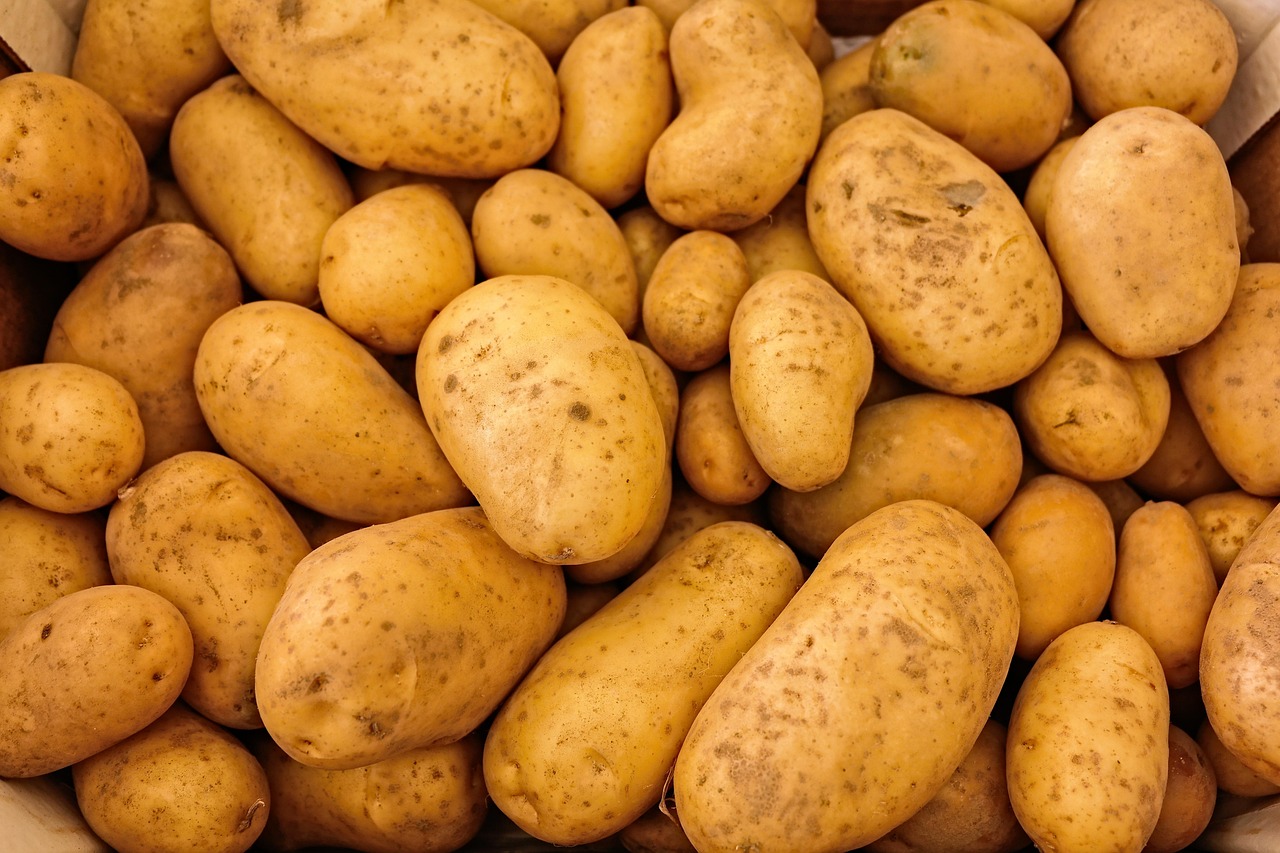
- Starchy Vegetables: Sweet potatoes, potatoes, corn, and peas. While higher in carbohydrates than non-starchy vegetables, they still provide essential nutrients and fiber. Sweet potatoes, in particular, are a nutritional powerhouse, rich in vitamin A and antioxidants.
- Actionable Tip:* Aim to include a variety of fruits and vegetables in your daily diet to ensure you’re getting a wide range of nutrients. Choose whole fruits over fruit juices to maximize fiber intake.
Incorporating Healthy Carbs into Your Diet
Meal Planning Strategies
Successfully incorporating healthy carbs into your diet requires thoughtful meal planning. Here are some strategies to help you get started:
- Start with Whole Grains: Make whole grains the foundation of your meals. For example, choose whole wheat bread for sandwiches, brown rice as a side dish, or quinoa for salads.
- Add Legumes: Incorporate legumes into your diet several times a week. They can be added to soups, salads, stews, or used as a meat substitute.
- Load Up on Vegetables: Fill half your plate with vegetables at each meal. Choose a variety of colors to ensure you’re getting a wide range of nutrients.
- Snack Smart: Choose healthy carb snacks like fruits, vegetables with hummus, or a handful of nuts and seeds.
Sample Meal Ideas
Here are some examples of meals that incorporate healthy carbohydrates:
- Breakfast: Oatmeal with berries and nuts, whole wheat toast with avocado and egg, or a smoothie with fruit, spinach, and protein powder.
- Lunch: Quinoa salad with grilled vegetables and chickpeas, whole wheat wrap with hummus, vegetables, and lean protein, or lentil soup with a side of whole grain bread.
- Dinner: Baked sweet potato with black beans, salsa, and avocado, brown rice stir-fry with vegetables and tofu, or whole wheat pasta with marinara sauce and vegetables.
- Snacks: Apple slices with peanut butter, baby carrots with hummus, a handful of almonds, or a small bowl of berries.
Portion Control
While healthy carbs are beneficial, it’s important to practice portion control. Overeating any type of carbohydrate, even healthy ones, can lead to weight gain. Pay attention to serving sizes and listen to your body’s hunger cues.
- Read Food Labels: Pay attention to serving sizes and carbohydrate content.
- Use Smaller Plates: This can help you control portion sizes.
- Listen to Your Body: Eat until you’re satisfied, not stuffed.
Debunking Common Myths About Carbs
“Carbs Make You Gain Weight”
This is a common misconception. While excessive calorie intake from any source can lead to weight gain, carbohydrates themselves are not inherently fattening. The key is to choose healthy, complex carbs and practice portion control.
- Studies show that people who consume a diet rich in whole grains and fiber tend to have a lower body weight compared to those who consume a diet high in refined carbs.
“All Carbs Are Bad for You”
As we’ve discussed, this is simply not true. Healthy carbs are essential for energy, digestion, and overall health. The problem lies in consuming too many refined and processed carbohydrates, which lack essential nutrients and fiber.
“You Should Cut Out Carbs Completely”
Eliminating carbs entirely can be detrimental to your health. Carbohydrates are the primary fuel source for your brain and muscles. Depriving your body of carbs can lead to fatigue, muscle loss, and other health problems. A balanced diet that includes healthy carbs is the best approach.
Conclusion
Healthy carbohydrates are a vital part of a balanced and nutritious diet. By choosing complex carbs over simple carbs, you can enjoy sustained energy, improved digestion, and better overall health. Incorporating whole grains, legumes, fruits, and vegetables into your daily meals is a delicious and effective way to fuel your body and support your well-being. Remember to focus on portion control and listen to your body’s needs to reap the full benefits of healthy carbs. Making informed choices about your carbohydrate intake will undoubtedly contribute to a healthier and happier you.